
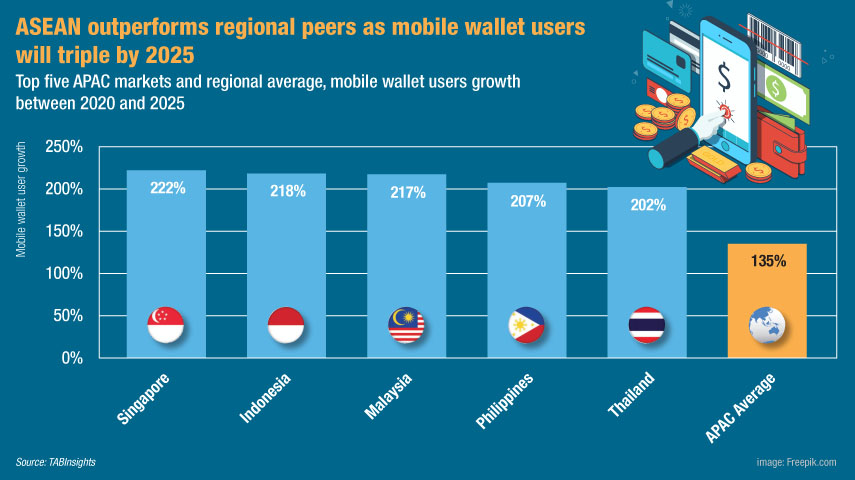
Global mobile phone users are projected to reach 4.8 billion by 2025, compared with 2.8 billion users in 2020. Businesses are tapping into this vast market as mobile wallets gain an increasing share of the payments market.

Digital disruption is rapidly changing the competitive and operating landscape and driving institutions and regulators to adopt opening banking strategies and create API enabled IT architectures.

The global outage led by the CrowdStrike-Microsoft faulty software update underscores the emerging gaps in resilience, interdependence of systems, vendor concentration, and single points of failure in networks
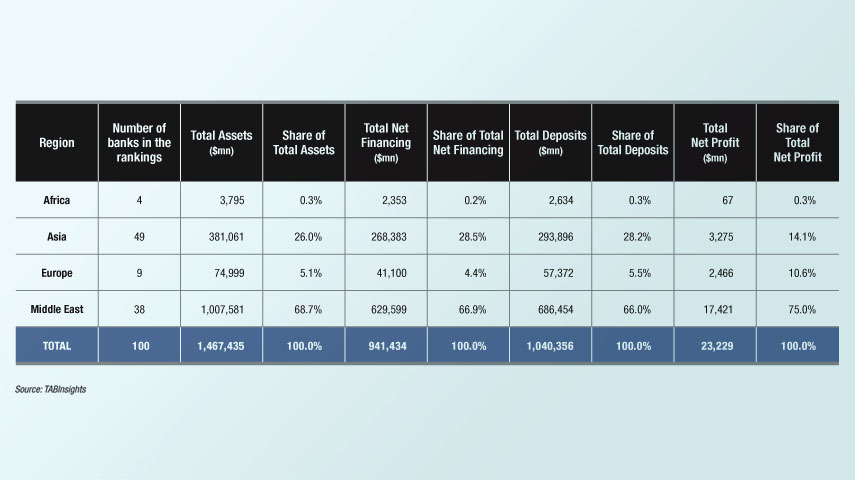
Islamic banks in Saudi Arabia display exceptional financial strength, with Al Rajhi Bank maintaining its position as the largest and strongest Islamic bank worldwide.
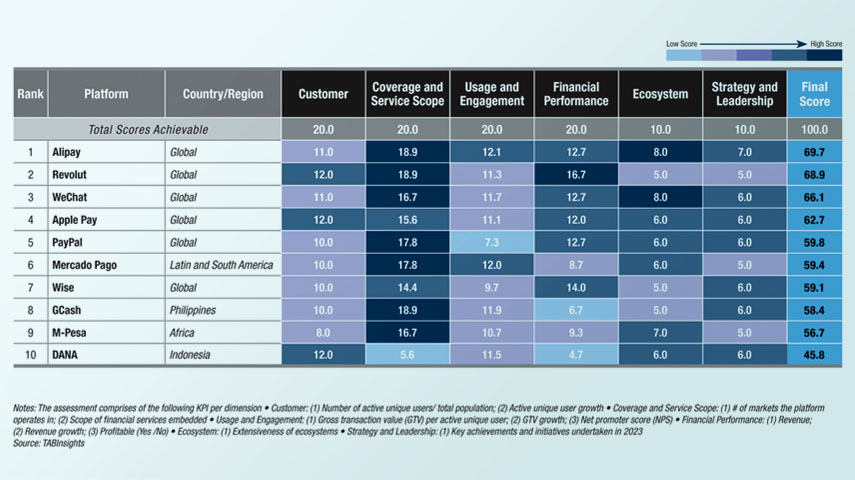
Asia is leading in financial platform development and adoption, with Alipay building a vast ecosystem and global reach, while Revolut excels in user acquisition and financial performance.
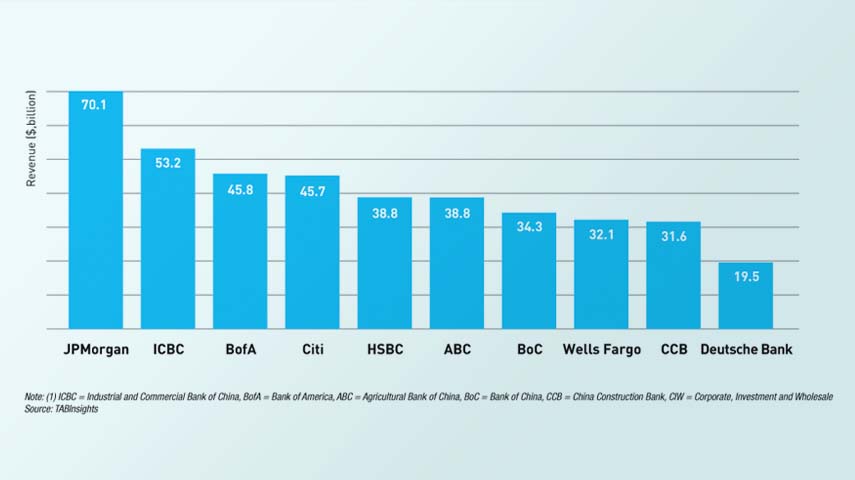
JPMorgan, ICBC and Bank of America led global corporate, investment and wholesale banking revenue in FY2024, underscoring a competitive shift as institutions prioritise growth, efficiency and innovation to redefine global banking leadership.
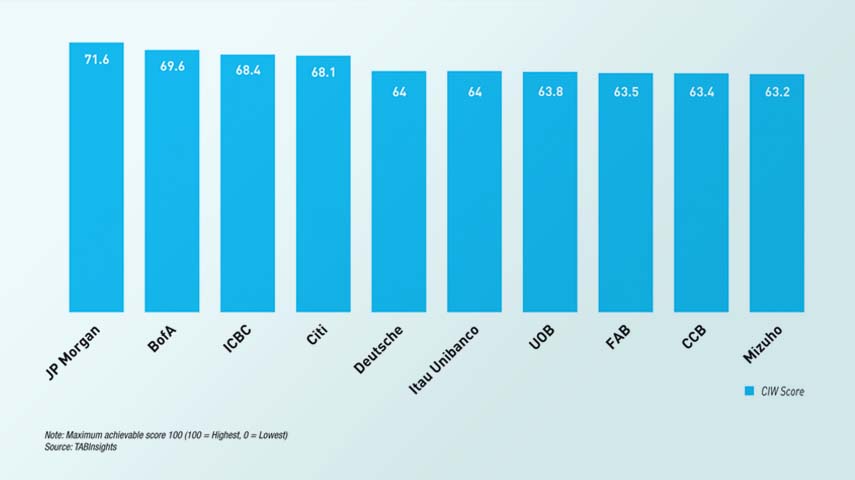
The TAB Global World’s 100 Best CIW Banks Ranking 2025 shows that leadership is shaped less by profitability and more by strategic focus. Global giants dominate through assets and reach, while regional champions prove that efficiency and digital capability can rival size in defining success
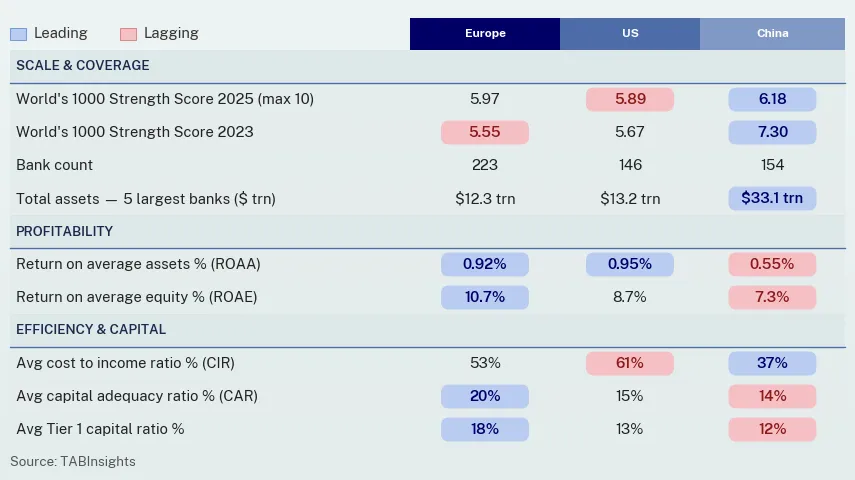
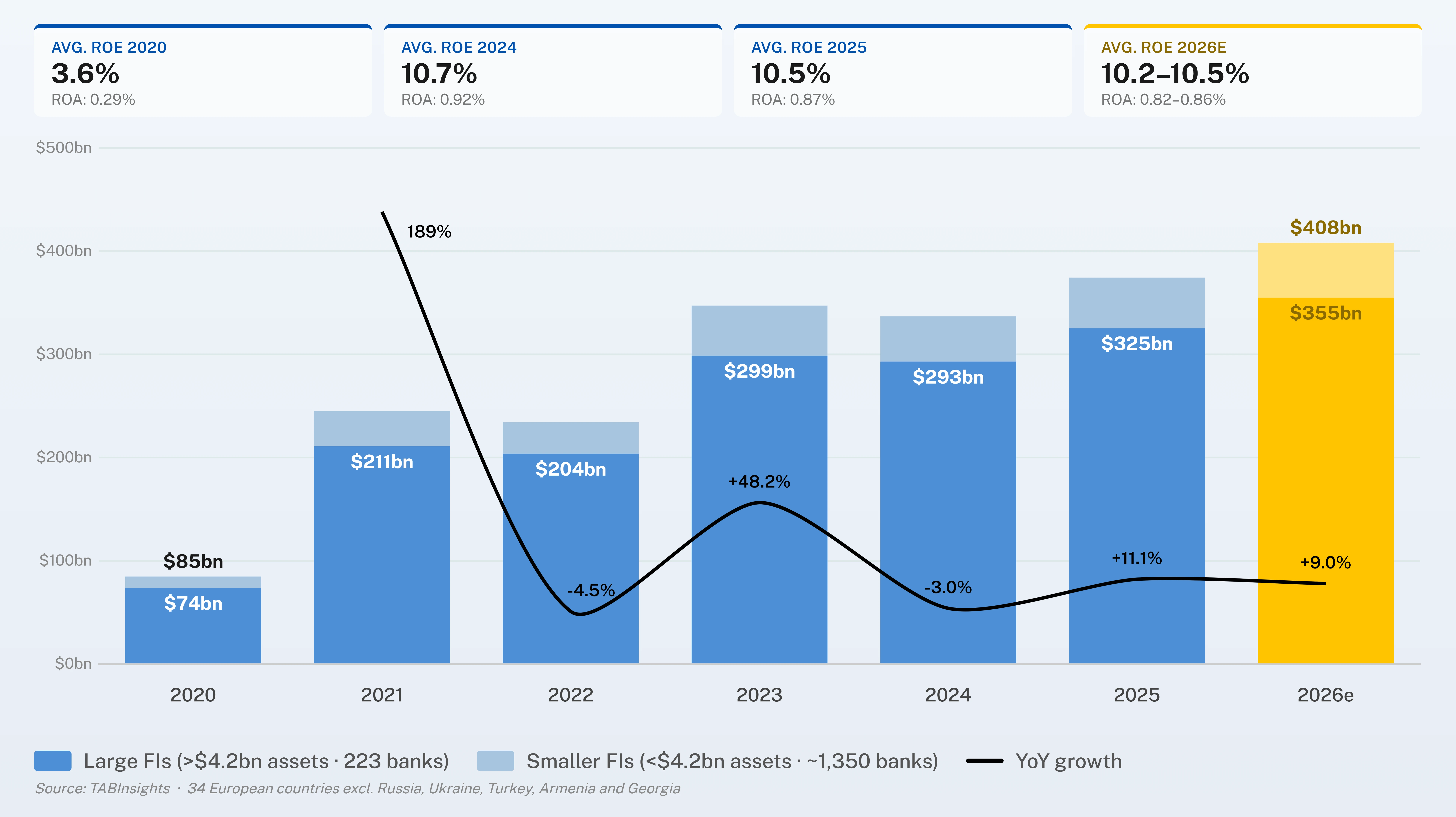
European banks have quietly closed the gap with their American rivals — and, on some measures of institutional strength, surpassed them, according to the World’s 1000 Strongest Bank Ranking. Yet Commerzbank, Germany’s third largest lender by asset size and strongest bank in Europe, illustrates why improved performance alone cannot substitute for structural reform: until the European banking union moves from ambition to architecture, Europe's gains will remain fragile.
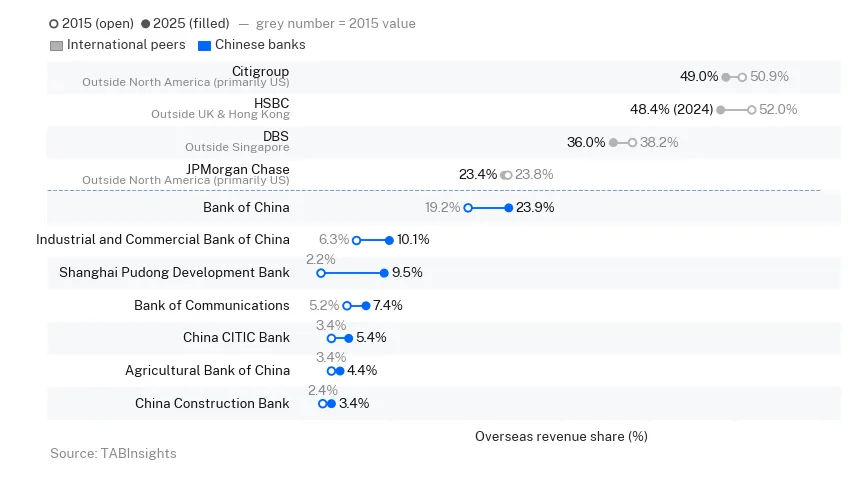
China's major banks are expanding overseas revenue, driven by outbound corporates, renminbi internationalisation and domestic margin pressure. Most earnings, however, remain concentrated in Greater China, highlighting a persistent gap with global peers.
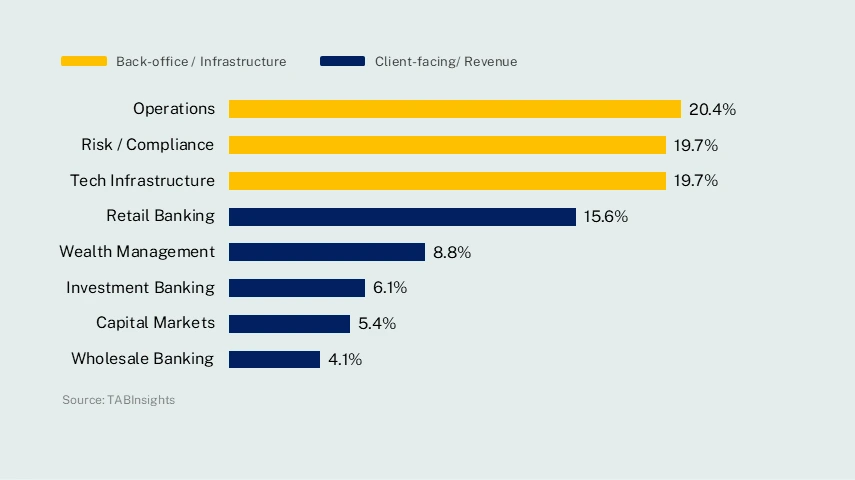
An analysis of AI initiatives across 29 Global Systemically Important Banks (G-SIBs) from 2023 to 2025 reveals a sector in structural transition: from experimentation to scaled enterprise execution, from point solutions to platform architectures, and from model access to data control and insights as the primary source of competitive strength. JPMorgan Chase’s decade-long institutional AI build illustrates what that transition looks like at the world's largest, most interconnected and systemically important banks.
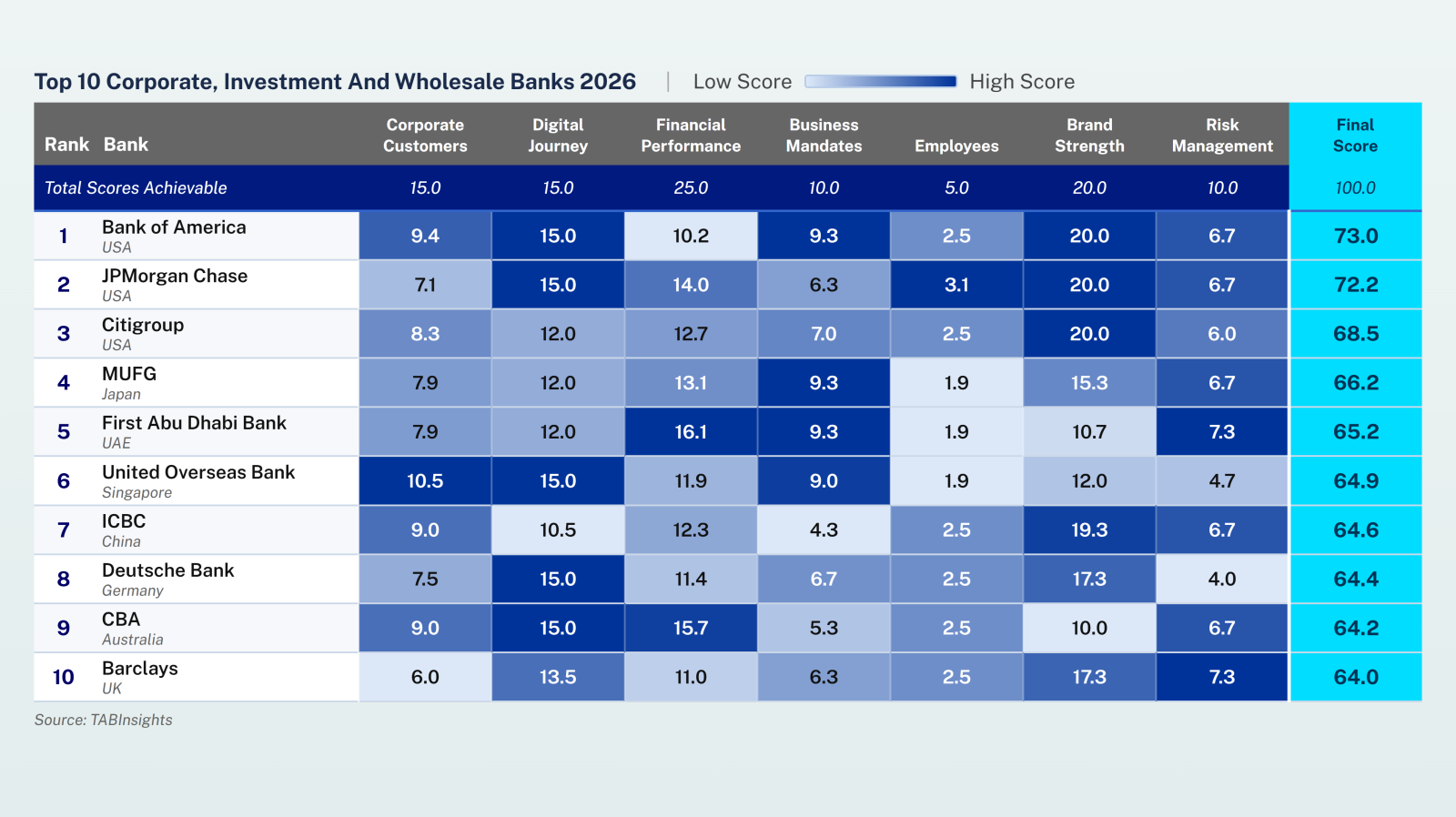
Global CIW banking has entered an execution phase, where rank movement is driven by improvement across multiple dimensions, while the efficiency gap between Middle Eastern and Western institutions widens