

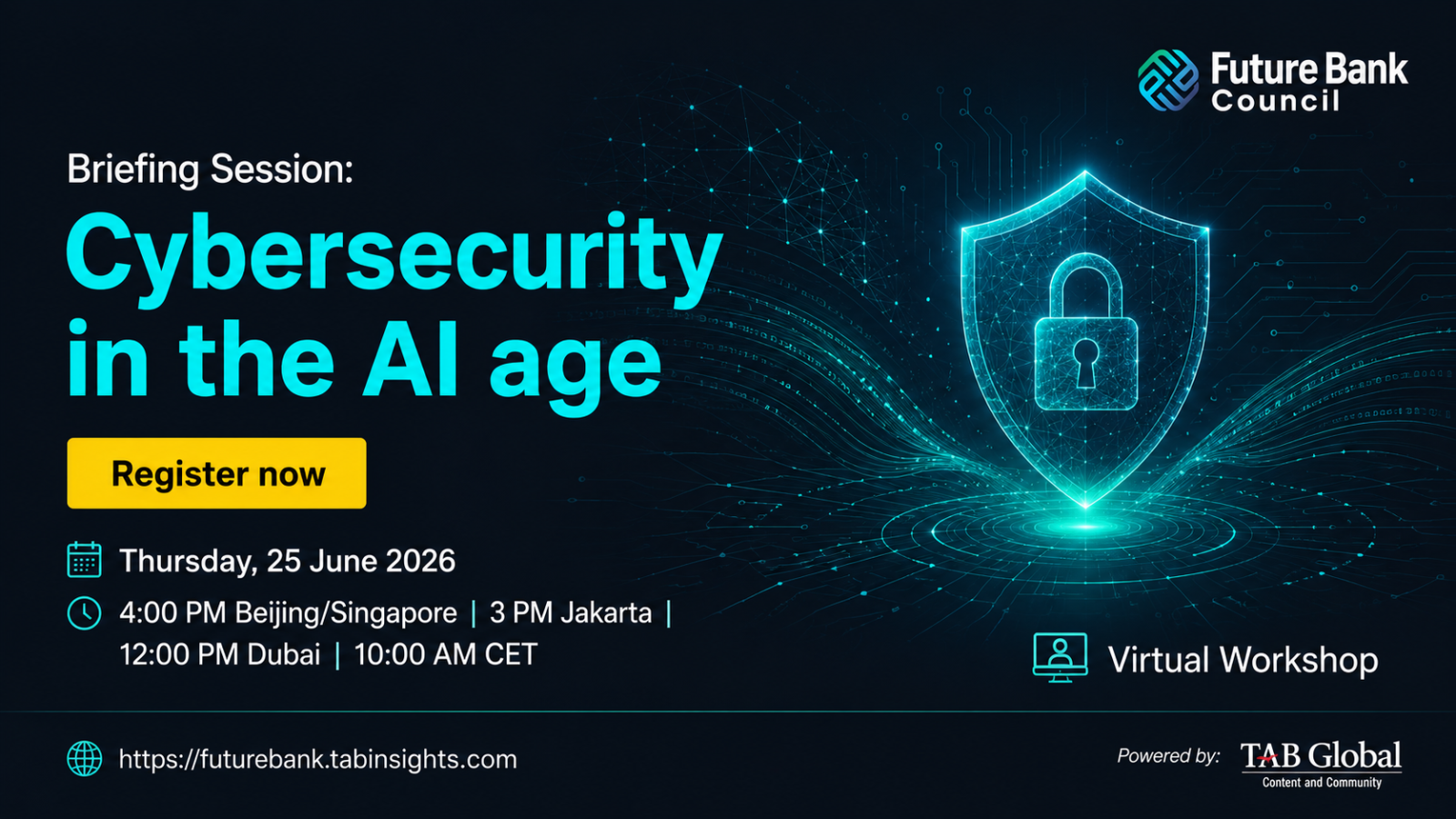

AI is changing the cyber risk equation for financial institutions. Familiar threats such as phishing, impersonation, fraud, vulnerability discovery, malware development and social engineering are becoming faster, cheaper and more convincing. At the same time, AI is being deployed to strengthen monitoring, improve detection, automate response and support operational resilience.
This session focuses on how banks should understand the changing threat landscape, where existing controls may come under pressure, and what boards and senior management should do differently as cyber threats become more automated, targeted and scalable. It will also examine how institutions should assess exposure across third parties, cloud providers, fintech partners and other ecosystem dependencies.
In this interactive session, we will examine:
- How DCJPY is structured as a multi-issuer tokenised deposit platform within Japan’s two-tier banking system
- How tokenised deposits differ operationally and legally from stablecoins and potential CBDCs
- How issuance, redemption, and settlement are standardised through smart contracts without altering bank licences or customer relationships
- Why interoperability and regulatory clarity are central to DCJPY’s design choices
- What early use cases reveal about operational efficiency, automation, and risk reduction
- How DCJPY is being positioned for domestic scale through major banking networks
- How domestic tokenised deposit platforms can be extended to cross-border settlement through network connectivity
In this interactive session, we will examine:
- How AI is changing the cyber risks most relevant to banks
- Where existing controls and governance may no longer be sufficient
- What boards and senior management should prioritise over the next 12 months
Agenda (SGT):
- 4:00 - 4:10 PM: Introduction to "Cybersecurity in the AI age"
- 4:10 - 4:40 PM: Panel discussion with panelists
- 4:40 - 5:00 PM: Q&A
.webp)



.png)











 Google
  LinkedIn