
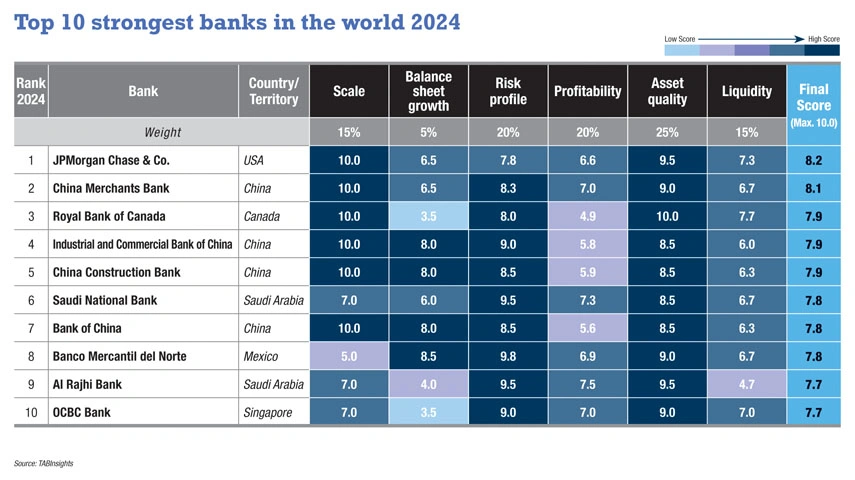
In 2023, China’s domestic systemically important banks grew to 20, led by China Merchants Bank in the TAB Global 1000 World’s Strongest Banks 2023 ranking, but some still require more capital despite improved capital ratios
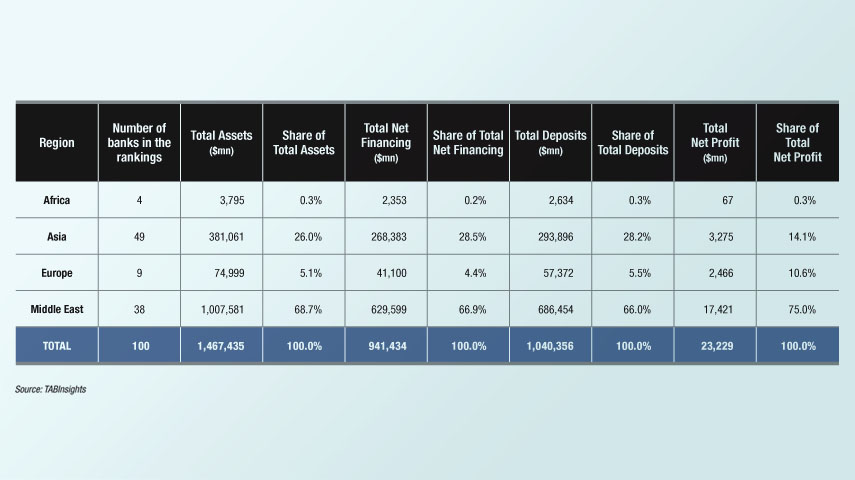
North America and Asia Pacific banks maintain overall balance sheet strength over those in other regions, with the Middle East showing some improvements. Profitability among all 1000 banks improved, driven by higher interest rates, while asset quality indicators stayed stable.
Islamic banks in Saudi Arabia display exceptional financial strength, with Al Rajhi Bank maintaining its position as the largest and strongest Islamic bank worldwide.
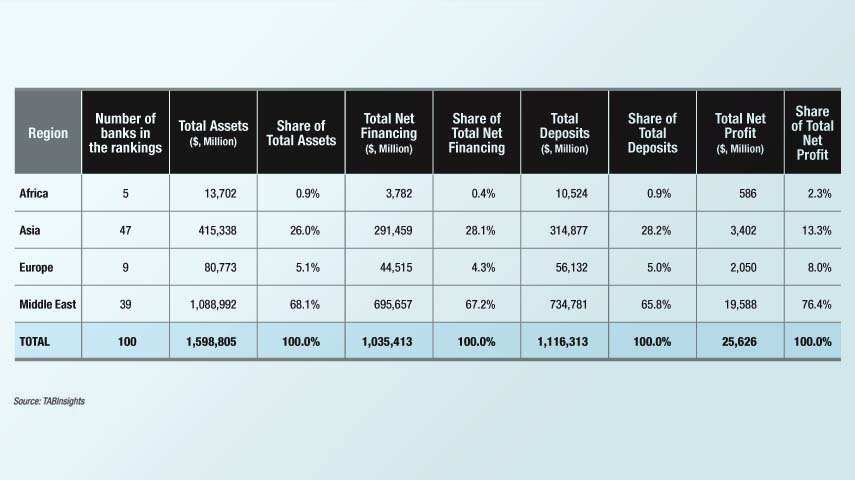
The TABInsights Islamic Banks Rankings highlight stronger financials in Middle Eastern banks, particularly in Saudi Arabia, Kuwait and the UAE, while Asian institutions remain smaller and less profitable. Islamic banks are strengthening balance sheets amid evolving risk and governance priorities.
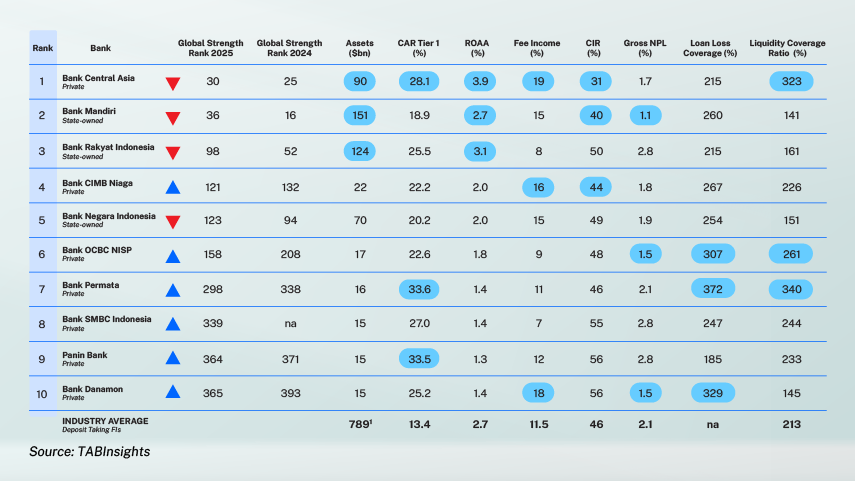
Indonesia's banking sector comprises 16 institutions in the TAB Global World’s 1000 Largest and Strongest Banks Ranking 2025, out of a total of 105 commercial banks in Indonesia. Bank Central Asia and Bank Mandiri stand out in Indonesia’s financial landscape, each excelling with distinct strategies and financial performance.
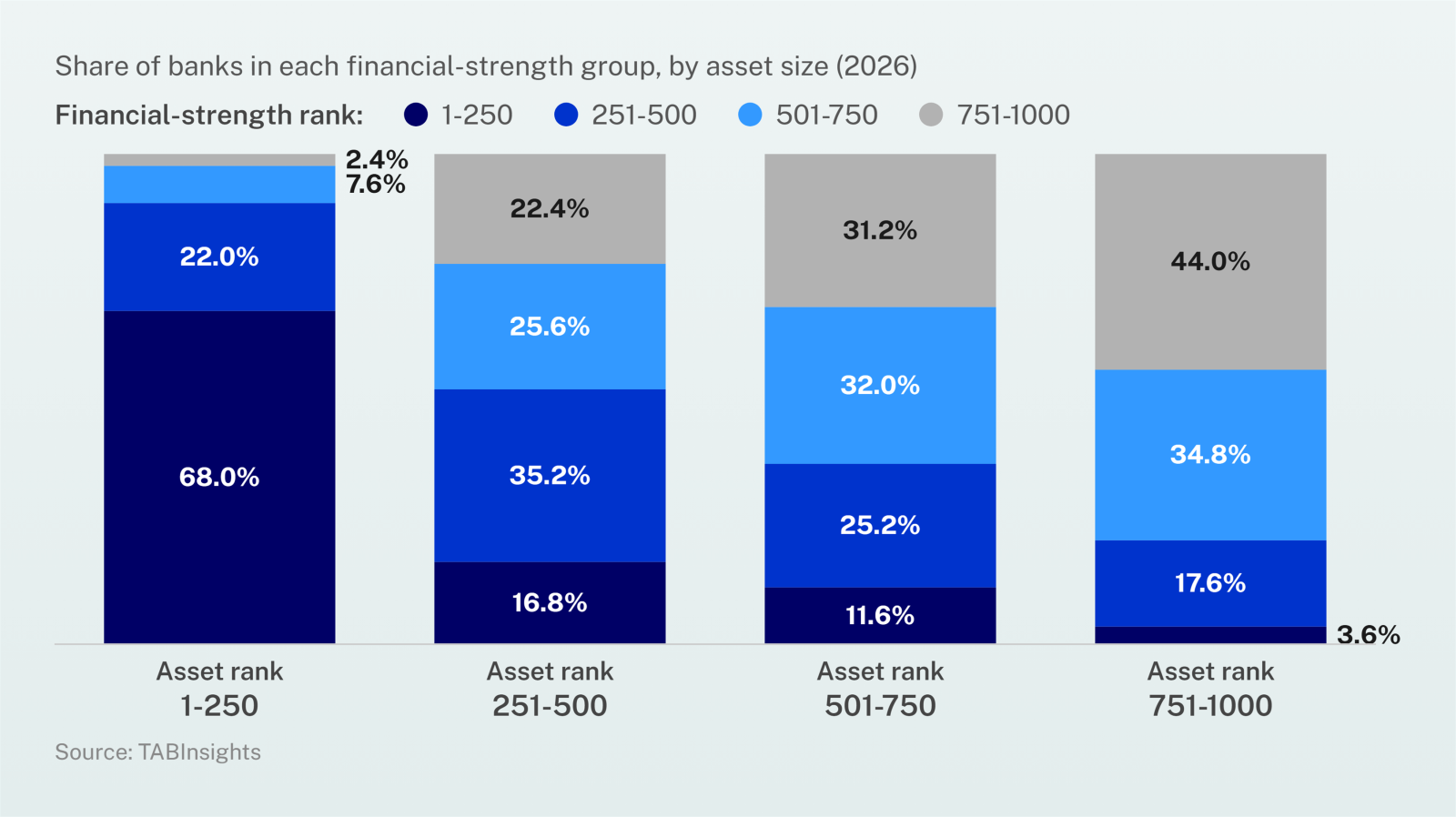
Scale is strongly associated with financial strength, but the TAB Global 1000 World’s Strongest Banks 2026 ranking shows that size is only part of the picture. Some smaller institutions substantially outperform their positions by assets, while exceptional profit growth and increasingly large regulatory liquidity buffers do not necessarily correspond with greater overall strength.
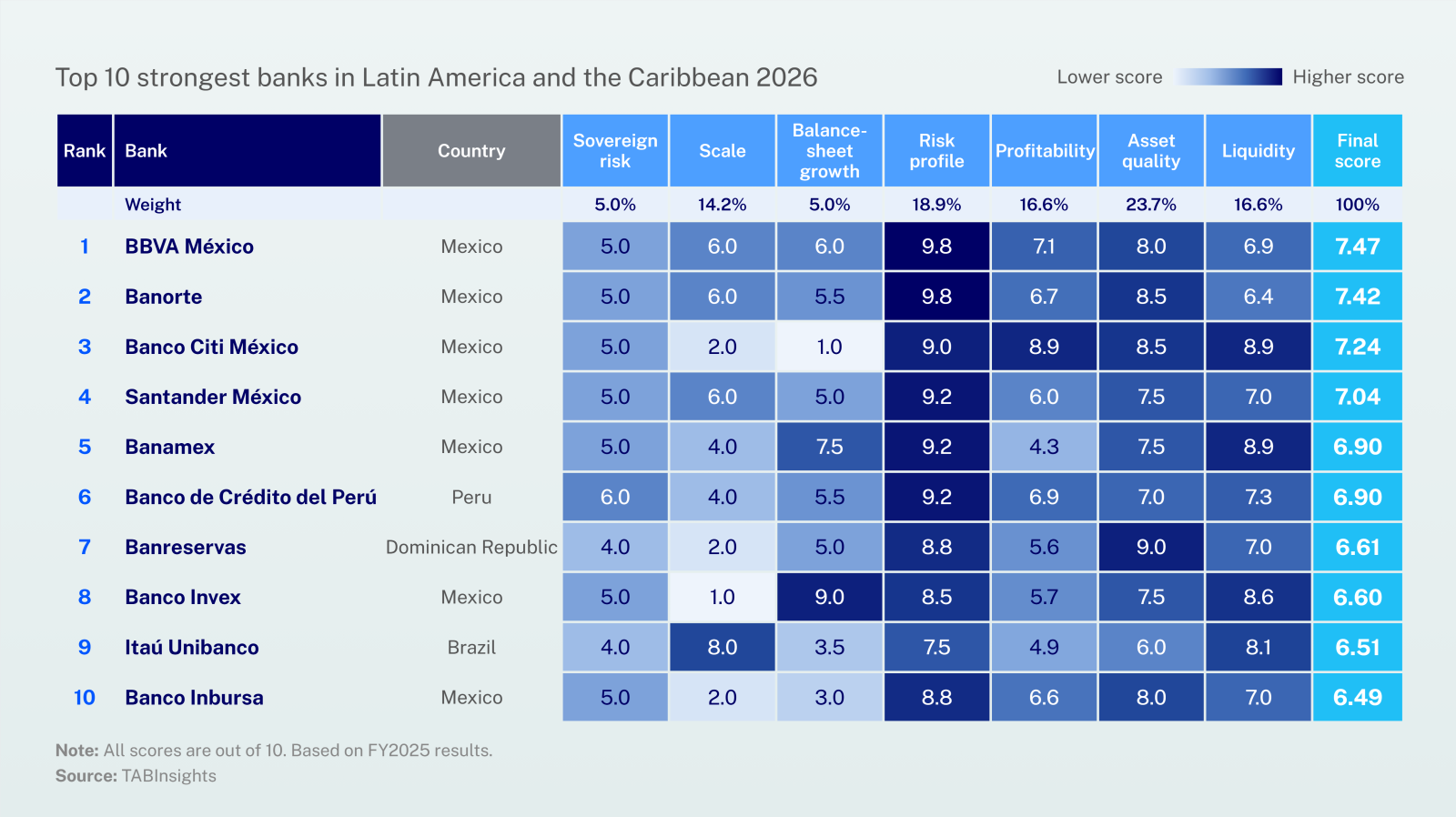
Lower NPL ratios, higher reserve coverage and stronger capital buffers distinguish the region’s 10 strongest banks from their peers.
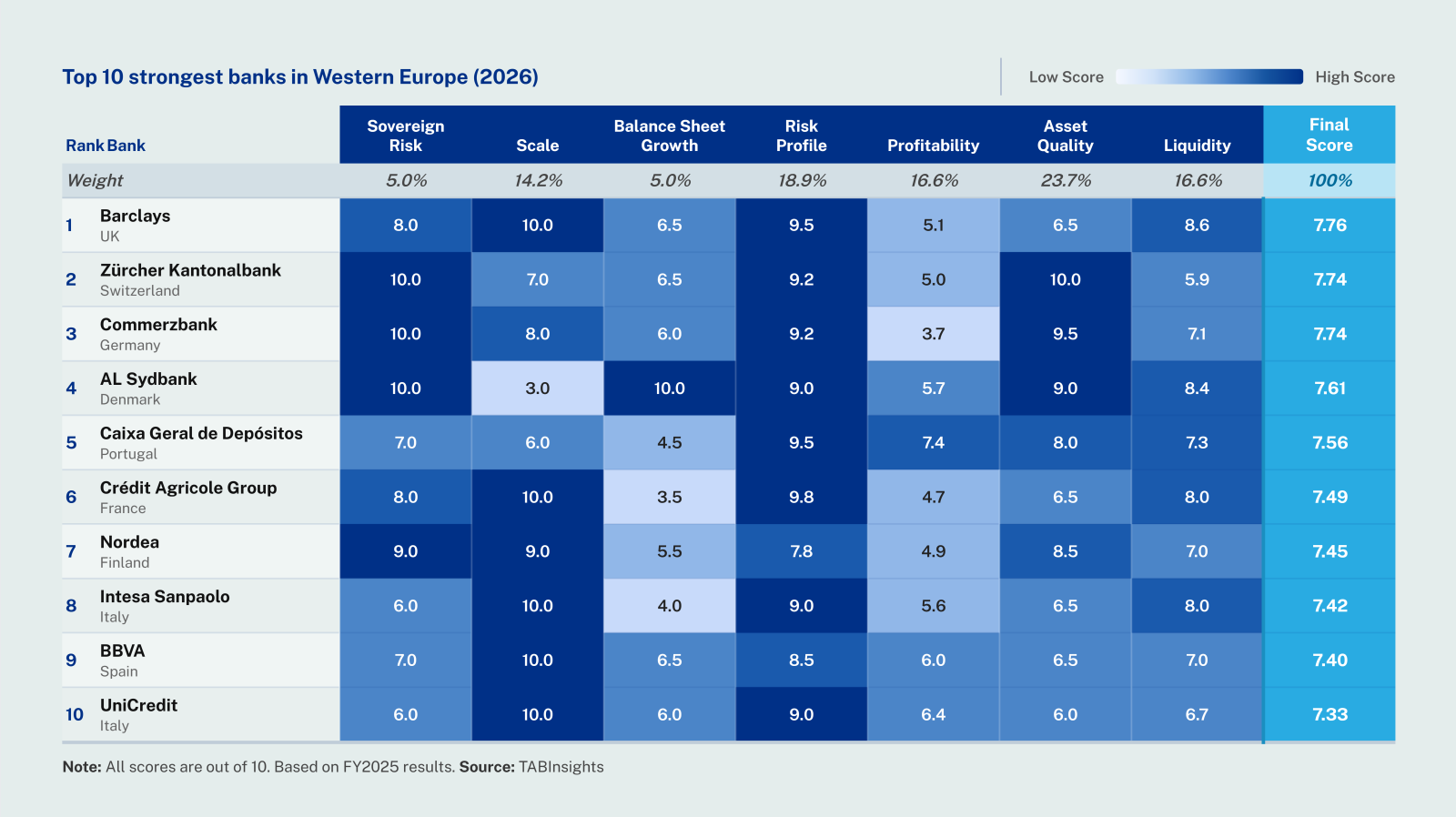
Higher returns, a greater contribution from non-interest income and higher loan loss reserve coverage characterise Western Europe's 10 strongest banks relative to their regional peers, while capital adequacy is broadly comparable.